
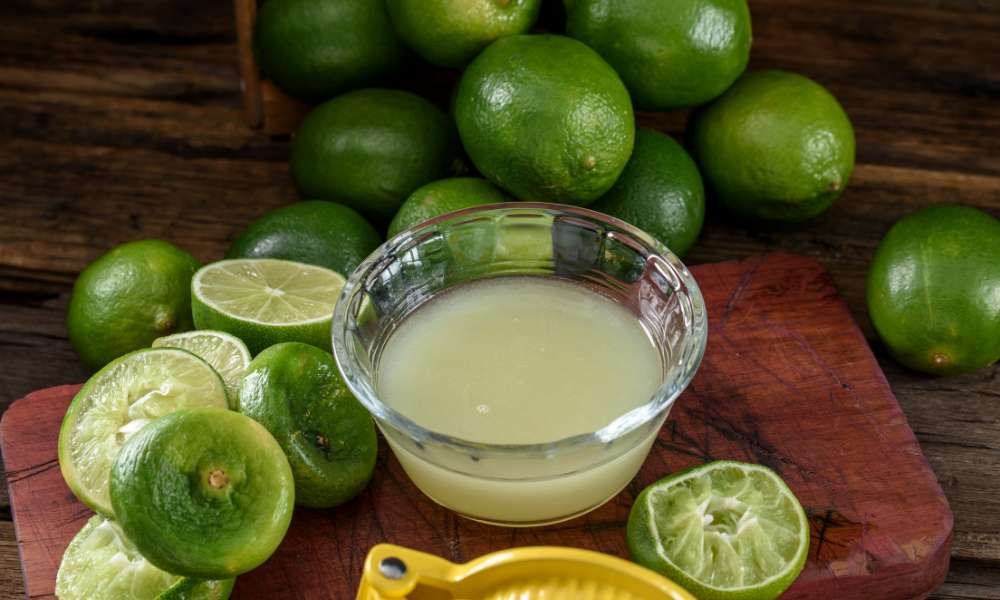
Juicing a lime without a juicer may appear tough, however it’s less difficult than you think. Whether you are out of a juicer or prefer a more fingers-on technique, getting to know a way to juice a lime without a juicer may be quick, easy, and simply as effective. With a few basic tools and some smart techniques, you may enjoy sparkling lime juice for your recipes or drinks very quickly.
The Simplicity of Juicing Without Tools
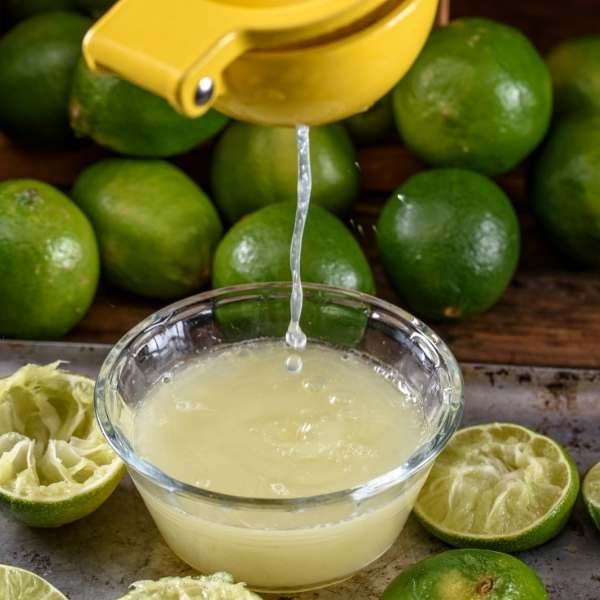
There’s a widespread belief that juicing limes requires a high-tech machine, but the real magic happens when you strip it down to basics. All it takes is a few easy steps and a little creativity to get every last drop of juice. The process is refreshingly straightforward. A juicer may promise convenience, but it’s far from essential. In fact, using your hands or common kitchen items can actually get you more liquid, and it’s far more satisfying. The methods are so simple, you’ll wonder why you ever thought you needed a juicer in the first place.
Benefits of Juicing Limes Without a Juicer

You’ve ever wondered how to make juice with out a juicer, you’re in success. Juicing limes with out a juicer is cost-powerful and convenient. You don’t need an expensive juicer or cumbersome device—easy equipment like your palms, a fork, or a spoon will do. This approach not best saves cash but additionally gives you manage over the juice’s texture and pulp, making it perfect for cocktails, marinades, or a fresh drink. Plus, juicing with out a juicer is green and reduces waste, making it a outstanding desire for simplifying your kitchen habitual even as still enjoying sparkling, tangy lime juice.
Common Misconceptions About Juicing Limes
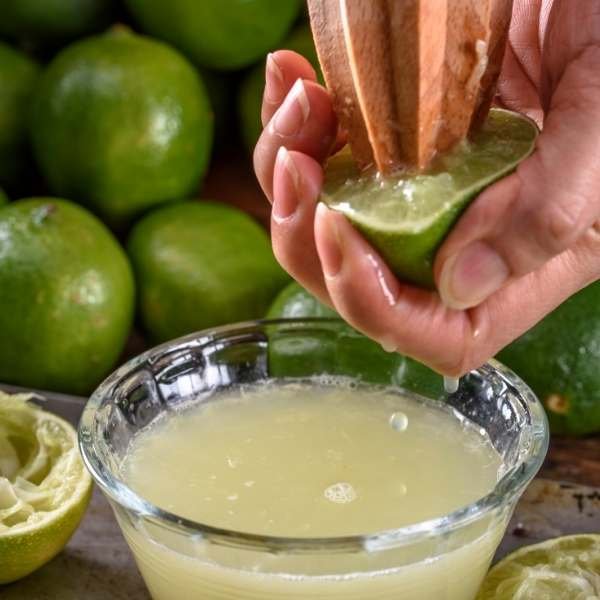
One of the biggest misconceptions about juicing limes by hand is that it’s a messy and ineffective method. Many people assume that manually juicing will never yield as much juice as a juicer would. In reality, this is far from true. If you follow the right techniques, you’ll find that you can extract nearly every drop of juice, with little to no mess. The key lies in using the correct pressure, tools, and a bit of patience. The results speak for themselves—a clean, flavorful liquid that comes straight from nature, no machinery required.
Essential Tools You Already Have at Home

The beauty of manual juicing is that you don’t need anything fancy. The best tools for the job are likely already tucked away in your kitchen, gathering dust. You don’t need to invest in high-end gadgets to get the job done—simple items like forks, spoons, and even a glass can do the trick.
Household Items You Can Use to Juice a Lime
No juicer? No problem. Everyday items like forks, spoons, and even a plain old glass can serve as the perfect makeshift tools for extracting citrus liquid. These humble utensils allow you to apply the right pressure to break down the lime’s flesh, letting you direct the juice right where you need it. It’s easy, effective, and requires almost no expertise. You’ll be amazed at how much liquid you can get with just these basics.
The Power of Your Hands: Using Manual Methods
Never underestimate the power of your hands when it comes to juicing a citrus. Sure, it might sound a bit old-fashioned, but gripping and squeezing a lime with your palms can release an astonishing amount of juice. As you twist and press, the lime’s cells break open, releasing its essence. This simple technique is not only effective but also provides you with an intimate connection to the process—no machines involved, just the rhythm of your hands.
Why a Fork or Spoon Could Be Your New Best Friend
In your quest for the ultimate lime juice, a fork or spoon could become your secret weapon. Insert the tines of a fork into the citrus, twist gently, and watch the juice flow. This technique helps break down the fibers inside the citrus, unlocking more juice with minimal effort. For smaller quantities, a spoon works equally well. Its curved edge allows you to apply just the right amount of pressure, and it’s perfect for extracting liquid in a hurry.
How to Prepare Your Lime for Juicing
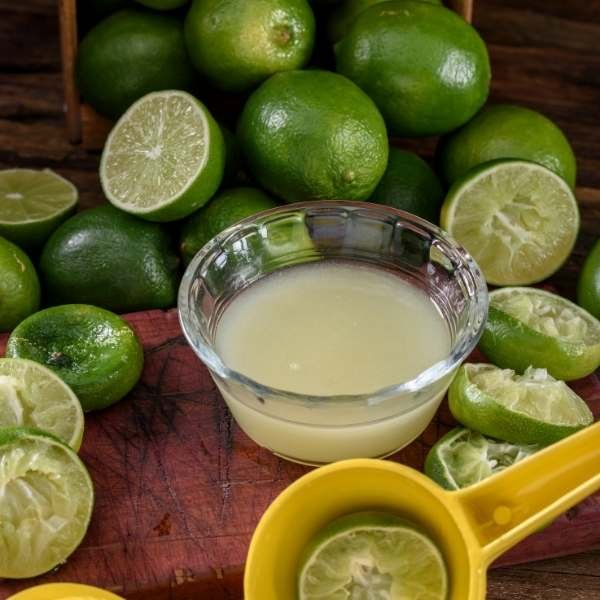
Proper preparation can be the difference between a trickle of juice and a bountiful pour. A few simple steps before you start can help you get the most out of your limes.
Selecting the Best Limes for Maximum Juice
Not all limes are created equal. To get the juiciest results, select limes that are firm yet slightly yielding when pressed. If your lime feels hard as a rock, it’s likely under-ripe and won’t yield much juice. On the other hand, a citrus that feels too soft may be overripe, with less moisture to offer. Look for the perfect balance: firm, but with just a bit of give under your fingers.
The Right Way to Store Limes Before Juicing
You’re not juicing immediately, storing your limes correctly can make a world of difference. Store them at room temperature if you intend to use them in the near future. For longer storage, refrigeration is ideal. But here’s a pro tip: let your limes return to room temperature before juicing. This will help them release more juice when squeezed.
How to Roll Your Lime for Extra Juice
Before cutting or squeezing, give your citrus a gentle roll on the countertop. This action helps to break down the internal structure, making it easier to extract liquid. With this simple technique, you’ll get more juice with less effort—it’s like a little warm-up before the main event.
Step-by-Step Guide
Now that you’re prepared, let’s dive into the juicing process. It’s easier than you think and requires just a few basic steps.
Hand-Squeezing
Hand-squeezing is the tried-and-true method for juicing a lime. Cut the lime in half and grip each half firmly. Squeeze from the top down and twist as you go. The combination of pressure and twisting will release a surprisingly large amount of juice—no machine necessary. If you’re feeling adventurous, try squeezing both halves at once for a quick, efficient yield.
Using a Fork to Extract Every Drop
To ensure you get every last drop of liquid, take a fork and insert it into the lime’s flesh. Twist gently, applying just enough pressure to break open the fibers inside. As you twist, the juice will flow freely, giving you maximum output. This method works especially well for those who want to get every bit of flavor from their citrus.
The Spoon Method
In a rush? A spoon could be your best friend. Cut your lime in half, place the spoon’s edge into the center, and twist it while applying gentle pressure. This will help you extract liquid quickly and with minimal effort. It’s perfect for those times when you need a quick splash of lime for a recipe or drink.
Creative Ways
No juicer? No worries. You can still get creative with household tools that work just as well—if not better!
Using a Bottle or Glass as a Makeshift Press
You’re in a pinch, a bottle or glass can serve as a great makeshift juicer. Place the citrus inside the container, then press down with all your might. As the lime is compressed, it will release its juice—mimicking the function of a juicer, but without the bulk. It’s simple, effective, and great for juicing multiple limes at once.
The Power of a Ziploc Bag
Here’s a little trick that’s as effective as it is fun: take a Ziploc bag, place the citrus inside, and squeeze. The bag acts as a barrier, keeping the mess contained while you apply the perfect pressure to extract juice. This method is great when you need to liquid several limes at once without worrying about splattering juice everywhere.
Using a Potato Masher
A potato masher—yes, really—can be a surprising yet effective tool for juicing limes. Simply place the lime halves in a bowl, and press down gently with the masher. The pressure will break open the lime’s cells, releasing its juice in a fraction of the time it would take with traditional methods.
Maximizing Juice Output with These Simple Techniques
To truly maximize your lime liquid yield, there are a few additional techniques that will make your efforts even more fruitful.
The Art of Cutting Limes
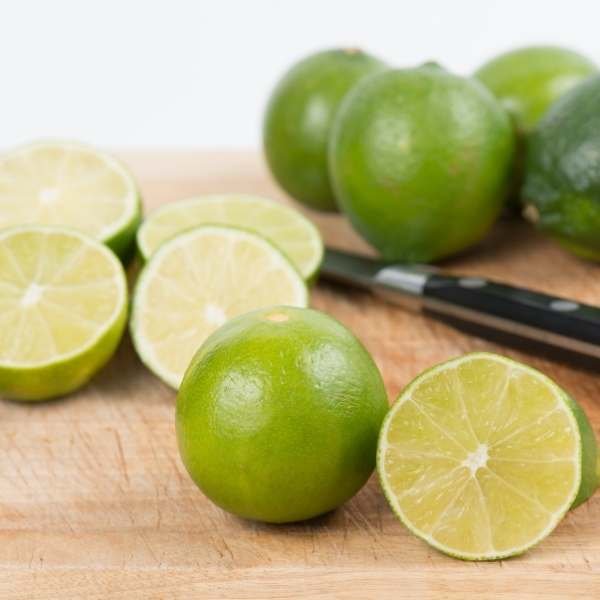
How you cut your limes can significantly affect how much liquid you get. Halves and quarters expose the most juice-producing surfaces. For larger quantities, slice the limes into wedges—this makes the squeezing process faster and more efficient.
How to Apply the Perfect Pressure Without Making a Mess
Pressure is key when juicing limes. Too much force can cause a mess, while too little may leave juice behind. Aim for a firm, steady pressure, but stop before the lime starts to break into pulp. This will give you the perfect balance between liquid and pulp.
Why Warming Your Lime Can Help Release More Juice
Warming your lime slightly before juicing can make a world of difference. Heat helps break down the fruit’s internal structure, allowing more liquid to be released. Simply place your lime in warm water for about 10 seconds, or roll it in your hands before juicing. This will result in a more generous yield.
Common Mistakes
Even the simplest tasks come with their pitfalls. Here’s what to watch out for when juicing limes by hand.
Over-Squeezing: When Less is More
It’s easy to go overboard and squeeze the lime too hard, but this can lead to bitterness and excessive pulp. Squeeze with just enough force to extract the liquid, but stop before the lime begins to break apart.
Skipping the Straining Step
You skip straining, you may end up with more pulp than liquid. Straining is essential to get a smooth, clean liquid. A fine mesh strainer or a piece of cheesecloth works wonders for removing unwanted solids.
Using a Too-Ripe Lime
Overripe limes can be mushy and dry, which means they won’t yield much liquid. Stick to firm, fresh limes for the best results.
How to Strain Your Lime Juice Without a Juicer
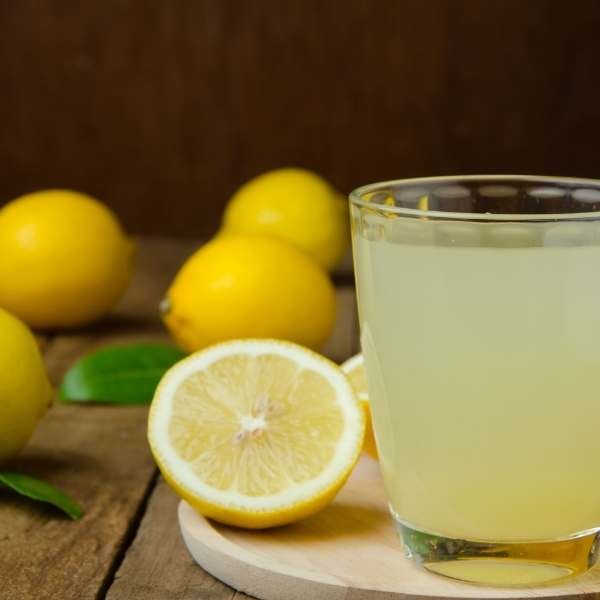
Straining is key to getting the proper consistency.
Straining Lime Juice
Straining lime juice eliminates pulp and seeds, giving you a silky-easy liquid. This is mainly vital for recipes wherein texture matters, like cocktails or quality sauces.
Simple Ways to Strain Lime Juice Using Household Items
No strainer? No problem. A clean material or tea towel will do the trick. Simply location it over your bowl or glass, then squeeze the lime liquid via, leaving at the back of the pulp and seeds.
When to Skip Straining and Enjoy the Pulp
You’re making salsas, guacamole, or different rustic dishes, the pulp can upload notable texture and taste. In these cases, feel unfastened to pass the straining step and experience the herbal fiber.
Storage Tips for Fresh Lime Juice
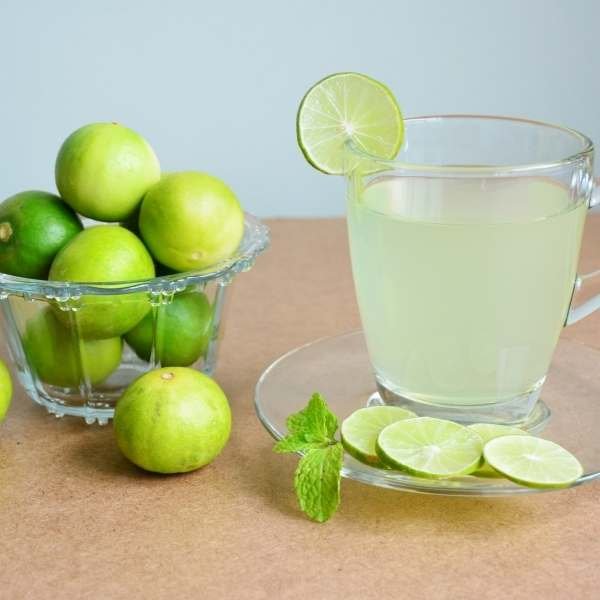
Leftover lime juice? Here’s how to store it properly to keep it fresh.
How to Store Fresh Lime Juice for Later Use
Keep lime liquid in an airtight container in the fridge, where it will stay fresh for up to a week. Don’t forget to label the container with the date, so you can keep track of its freshness.
Freezing Lime Juice
For longer storage, freeze lime juice in an ice cube tray. Once frozen, transfer the cubes to a sealed bag. This allows you to grab the exact amount you need without waste.
The Best Containers for Lime Juice Storage
Glass containers are the best choice for storing lime liquid. They preserve the flavor and are easy to clean. Avoid plastic containers, as they can alter the taste.
How to Use Lime Juice Once You’ve Juiced It

Lime juice isn’t just for drinks—it’s incredibly versatile.
Easy Lime-Based Drinks and Cocktails to Try
Lime juice is the backbone of many classic cocktails, from margaritas to mojitos. It’s also perfect for refreshing drinks like limeade.
Cooking with Lime Juice
Lime juice brings a bright, tangy note to marinades, dressings, and sauces. Try it in chicken tacos, ceviche, or any recipe that needs a citrusy boost.
Natural Beauty Uses
Beyond the kitchen, lime liquid can be a skincare powerhouse. Its natural acidity helps brighten skin, reduce dark spots, and even fight acne.
Why Juicing Limes Without a Juicer is a Great Skill to Learn

Mastering the art of juicing limes manually isn’t just practical—it’s empowering.
Saving Money on Juicers and Kitchen Gadgets
By juicing limes without a juicer, you save money and avoid clutter. There’s no need for expensive gadgets when your hands and a few basic tools get the job done.
The Eco-Friendly Benefits of Juicing Without a Juicer
Juicing by hand is an environmentally friendly option. You won’t need electricity or plastic, making it a sustainable choice for both you and the planet.
Being Resourceful: How Every Gardener Can Benefit
You grow your own limes, juicing without a juicer is the perfect way to make the most of your harvest. It’s a resourceful skill that saves you time and money while producing delicious results.
Conclusion
In the end, juicing limes without a juicer is not just simple—it’s liberating. With a few basic tools and some creative techniques, you can easily extract every drop of liquid. Whether you’re making a tangy cocktail, a fresh marinade, or just enjoying a splash of lime, this method will quickly become second nature. No juicer? No problem—just roll up your sleeves and get to squeezing!